
Tariffs vs Profits: Why Smart Fashion Brands Are Switching to AI Clothing Models
huhu.ai Team
A Double Squeeze on Fashion Brands
The recent tariffs imposed by the Trump administration has put fashion brands under high pressure. For many ecommerce and DTC apparel brands, this means import costs are spiking, and margins are shrinking fast.
Meanwhile, platforms like TikTok, Instagram, and web stores demanding faster, fresher visuals, content is more expensive than ever.
What’s the smartest way to respond? Cut invisible costs — like photography — with AI clothing models.
Why Tariffs Are Shrinking Your Margins
Trump’s revived tariff policy — a major part of his economic agenda — is already hitting fashion brands where it hurts. His 2025 policies call for:
- Across-the-board 10% tariffs on all imports
- Up to 125% on Chinese goods, including apparel
- Additional measures to penalize offshore manufacturing
This is a major hit to import-heavy DTC brands, many of which rely on manufacturers in China, Vietnam, Bangladesh, and India.
Here’s how it affects operations:
- Your landed cost per unit rises significantly
- Your pricing flexibility shrinks
- Your profit margin gets squeezed
With tariffs likely to remain volatile through 2025–2026, more brands are now looking inward — cutting operating costs to maintain healthy margins. That’s where AI-based tools are gaining traction.
The Hidden Cost of Traditional Photoshoots
Every DTC founder knows content is king — but they often overlook how expensive content production actually is.
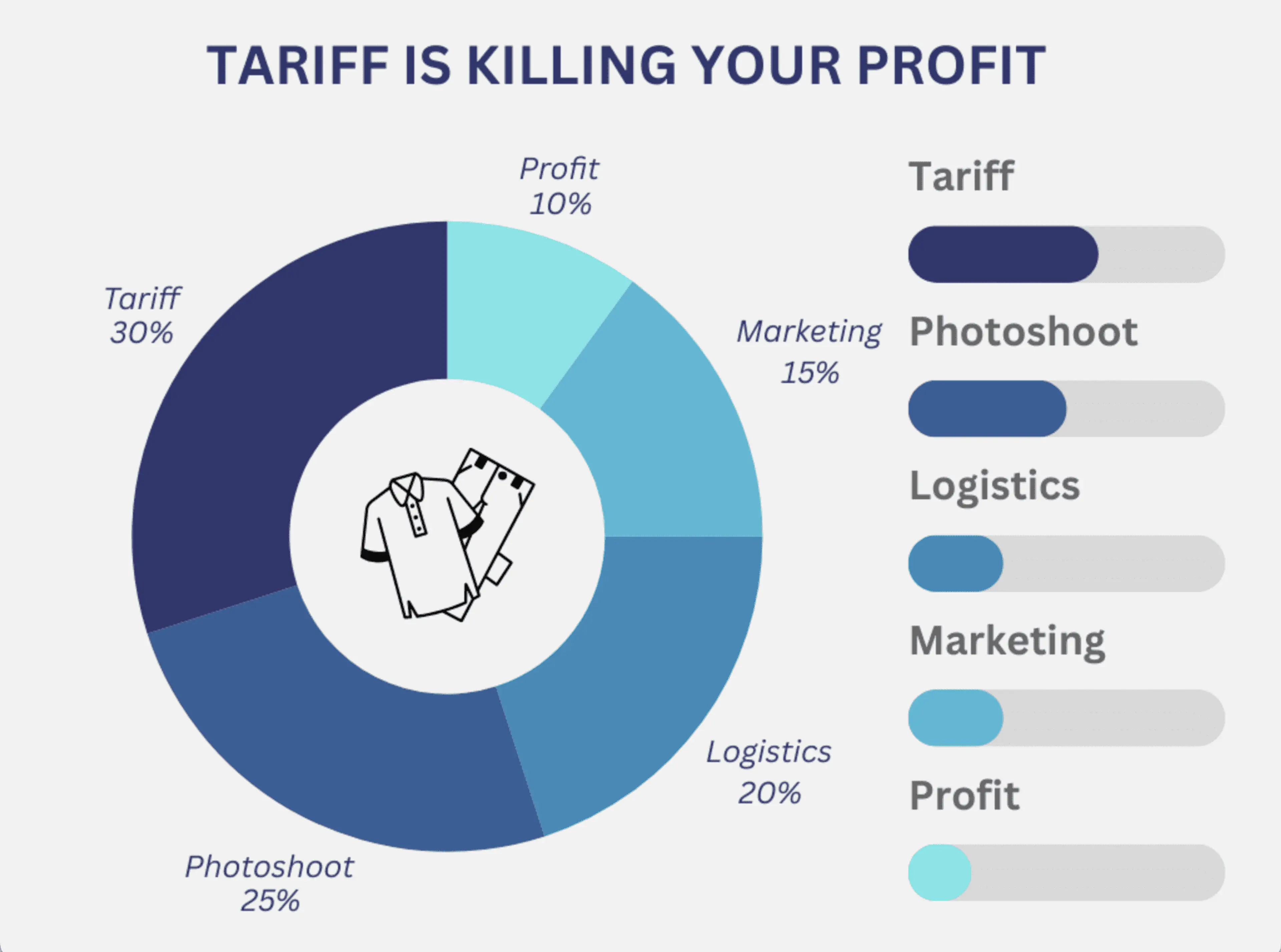
Here’s a typical cost breakdown for a product shoot:
- Model hire: $400–$800/day
- Photographer: $800–$1,200/day
- Studio: $500–$1,000/day
- Editing + retouching: $500+
- Coordination: Internal resource time
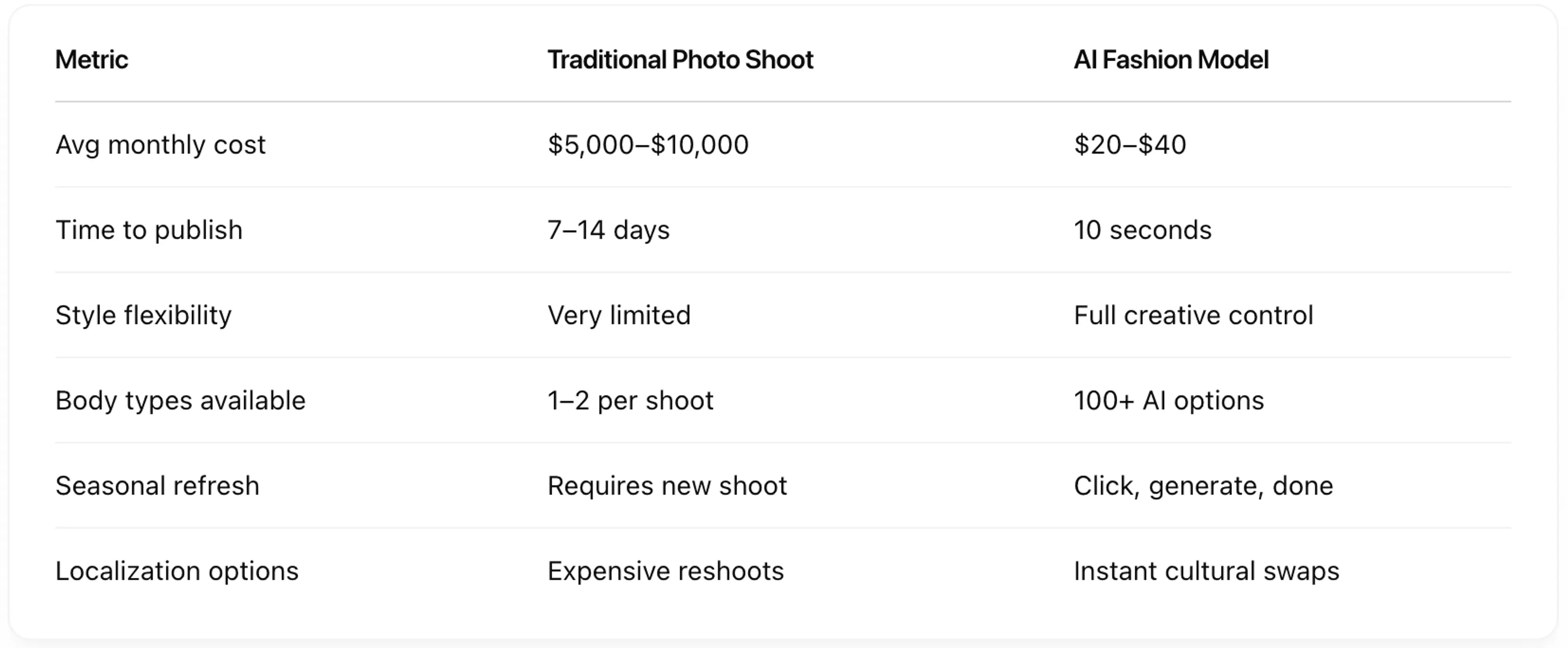
That adds up to $5,000–$10,000 per month, even for lean startups. Multiply that by multiple SKUs, seasonal updates, and product variations — it’s a massive operational load.
And beyond the money, traditional shoots come with other pain points:
- Delays: It often takes 1–2 weeks to get final images
- Inflexibility: Can’t easily change model type or background
- Limited scalability: You’re locked into what was shot
Fast fashion needs fast visuals. Traditional shoots just can’t keep up.
AI Clothing Models: What They Are and How They Work
Enter the AI clothing model — a modern solution for digital-era commerce.
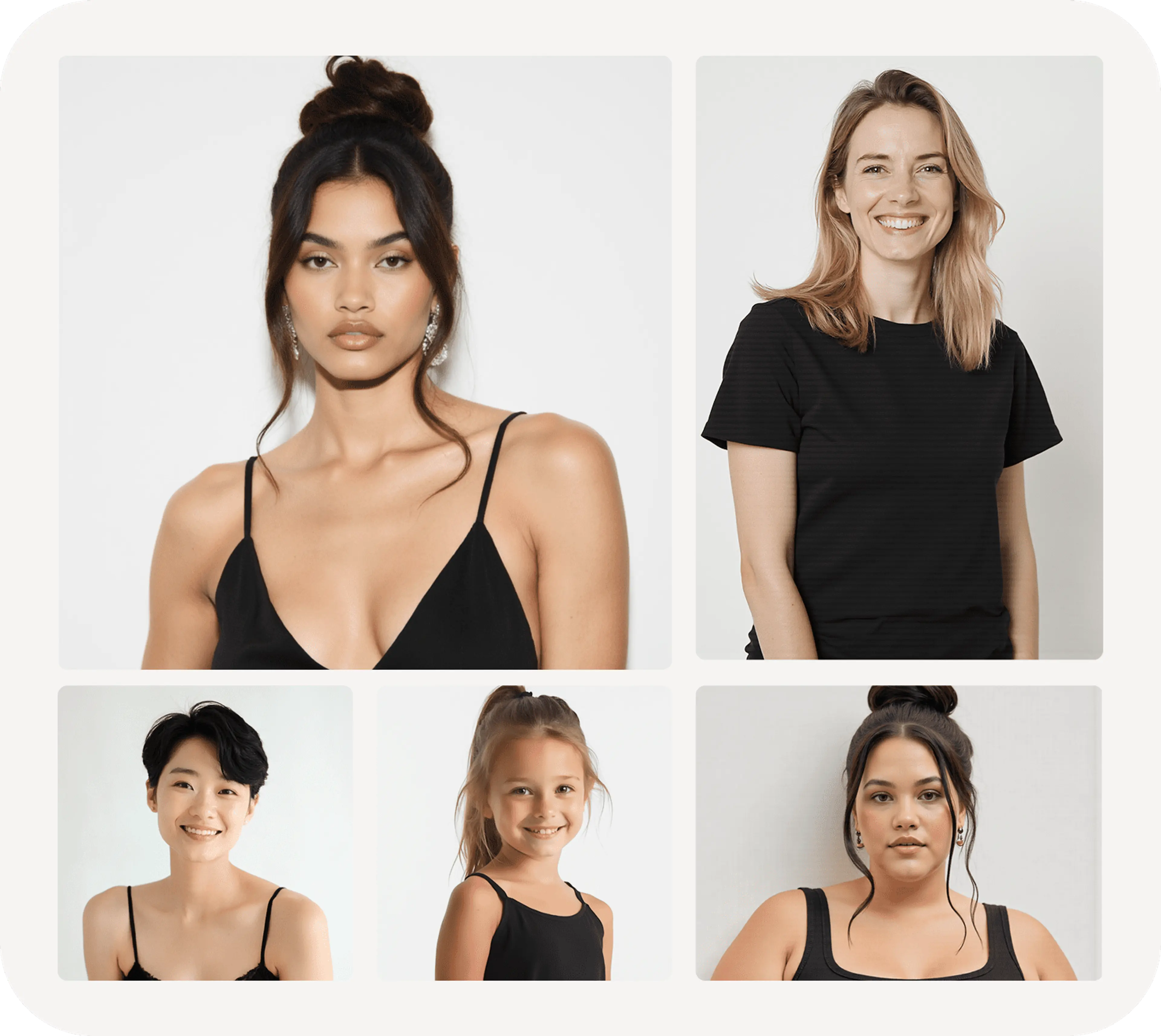

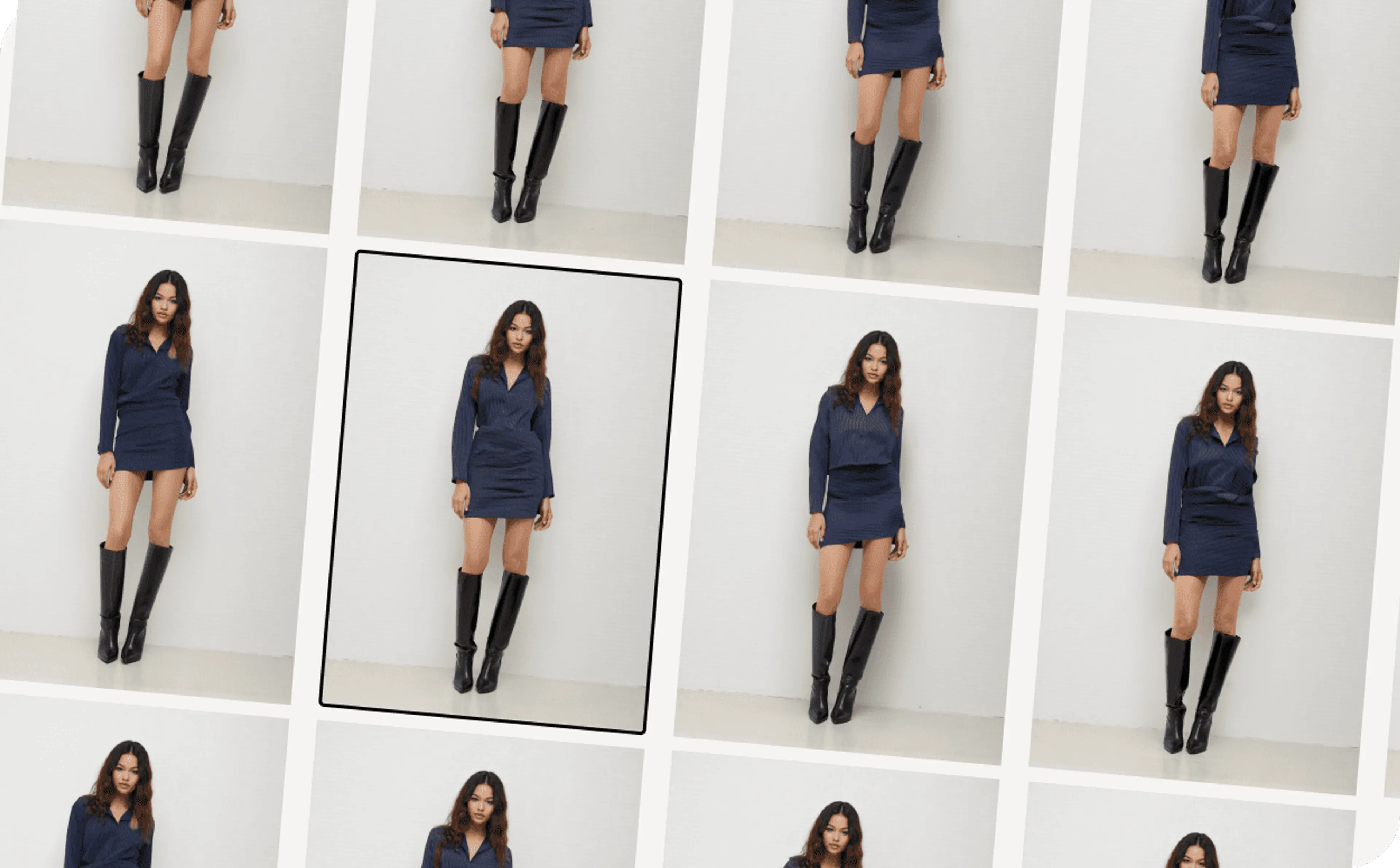
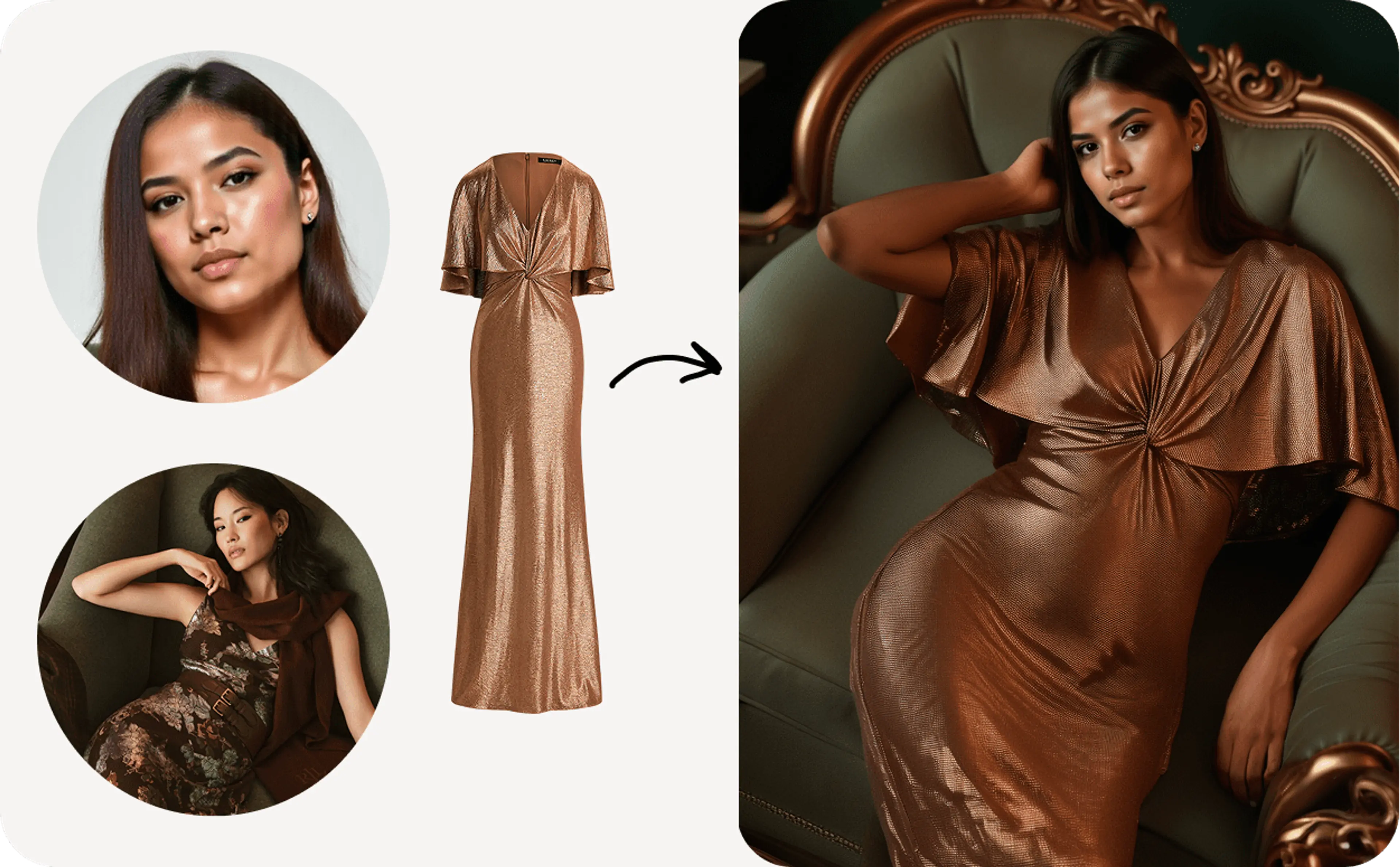
These tools like HuHu AI allow you to instantly generate high-quality model images from a flat lay, ghost mannequin, or CAD drawing of your product. No human models, no physical studio, no reshoots.
Here’s how it works:
- 1. Upload your product photo
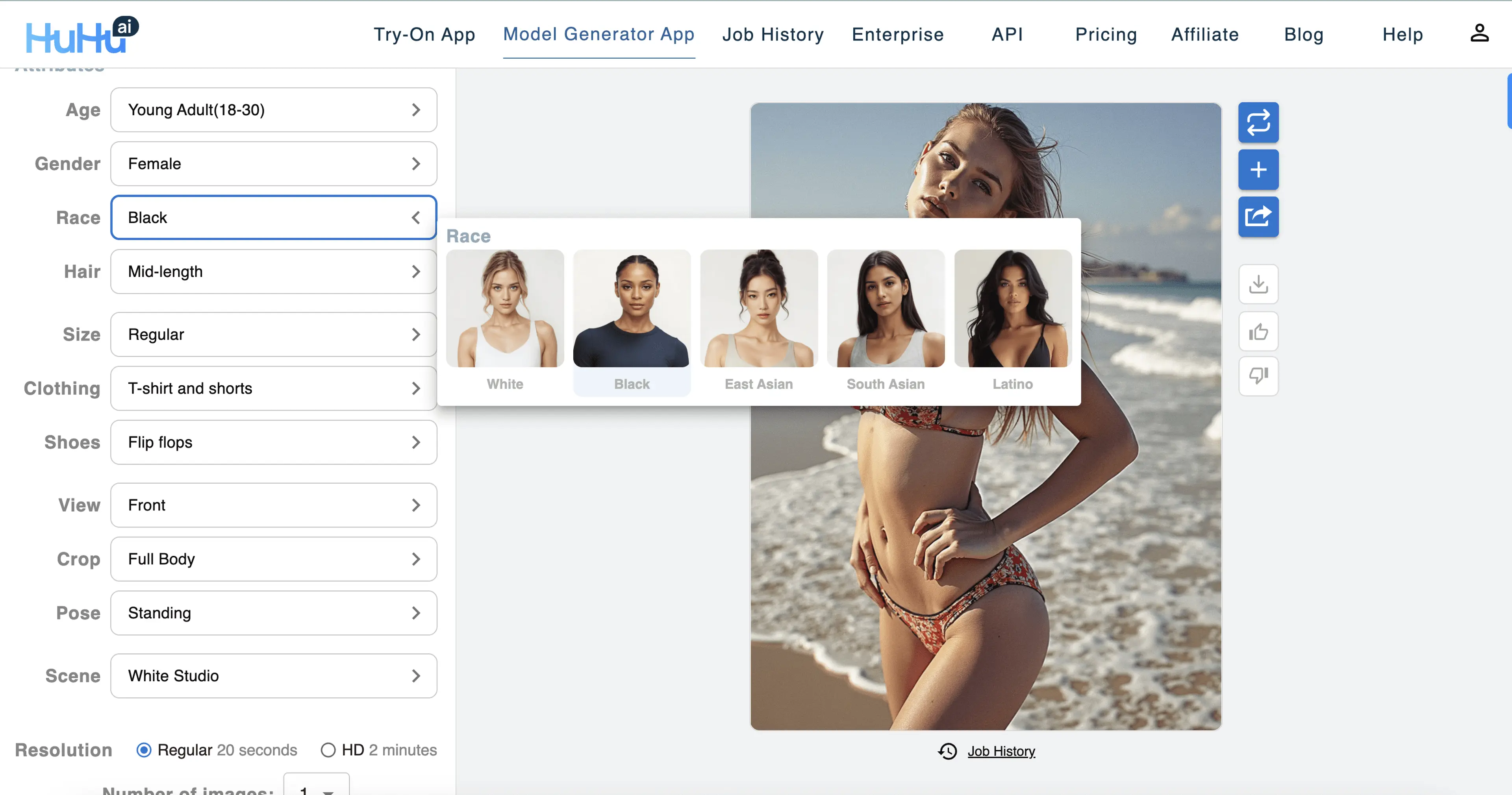
- 2. Choose your model style (age, gender, skin tone, body type)
- 3. Select pose, angle, background
- 4. AI renders an ultra-realistic image in seconds
Some AI model generators even offer virtual try-on simulations, showing how garments look in motion or across different body shapes. The result is a virtual model for clothing that matches your audience — without the overhead.
This isn’t just cost-cutting — it’s a creative unlock.
Real Cost Savings: HuHu AI Clothing Models vs Traditional Photo Shoot
Brands using AI clothing models are reporting:
- 80–95% lower content costs
- 6x faster asset delivery
- Increased A/B testing output
And best of all, they’re no longer dependent on slow external agencies or complex logistics.
Use Cases: Who’s Already Switching to AI clothing model solutions like HuHu AI?
AI-generated fashion visuals aren’t a future trend — they’re already in play.
Here’s who’s ahead of the curve:
1. Fast Fashion Companies
Speed is everything in this segment. Drops happen fast, and content must follow. Brands like these use AI fashion tools to keep up with 3–4 collections a month without burning out creative teams.
2. Global Brands Needing Localization
Want one product image for the US, Japan, and the UAE? With HuHu AI fashion models, you can instantly switch the model’s ethnicity, background, and styling — no reshoots required.
3. Ecommerce Marketing Teams
AI-generated assets are now fueling:
- Paid ads (especially on Meta & TikTok)
- Product detail pages (PDPs)
- Influencer-style UGC
- Email campaigns and A/B tests
It’s all part of a growing wave of AI marketing for DTC — reducing costs while improving testing velocity and creative freedom.
Conclusion: You Can’t Control Tariffs, But You Can Control Your Costs
Tariffs are unpredictable. HuHu AI isn’t.
As the fashion industry adapts to Trump-era tariffs on apparel, DTC brands need flexible, smart cost levers. AI fashion models offer just that.
They help you:
- Slash photoshoot costs
- Accelerate content creation
- Localize and personalize at scale
- Stay agile amid supply chain and policy changes
With margins under fire, this may be the most powerful shift your brand can make in 2025.
Get Started Today
Related Articles
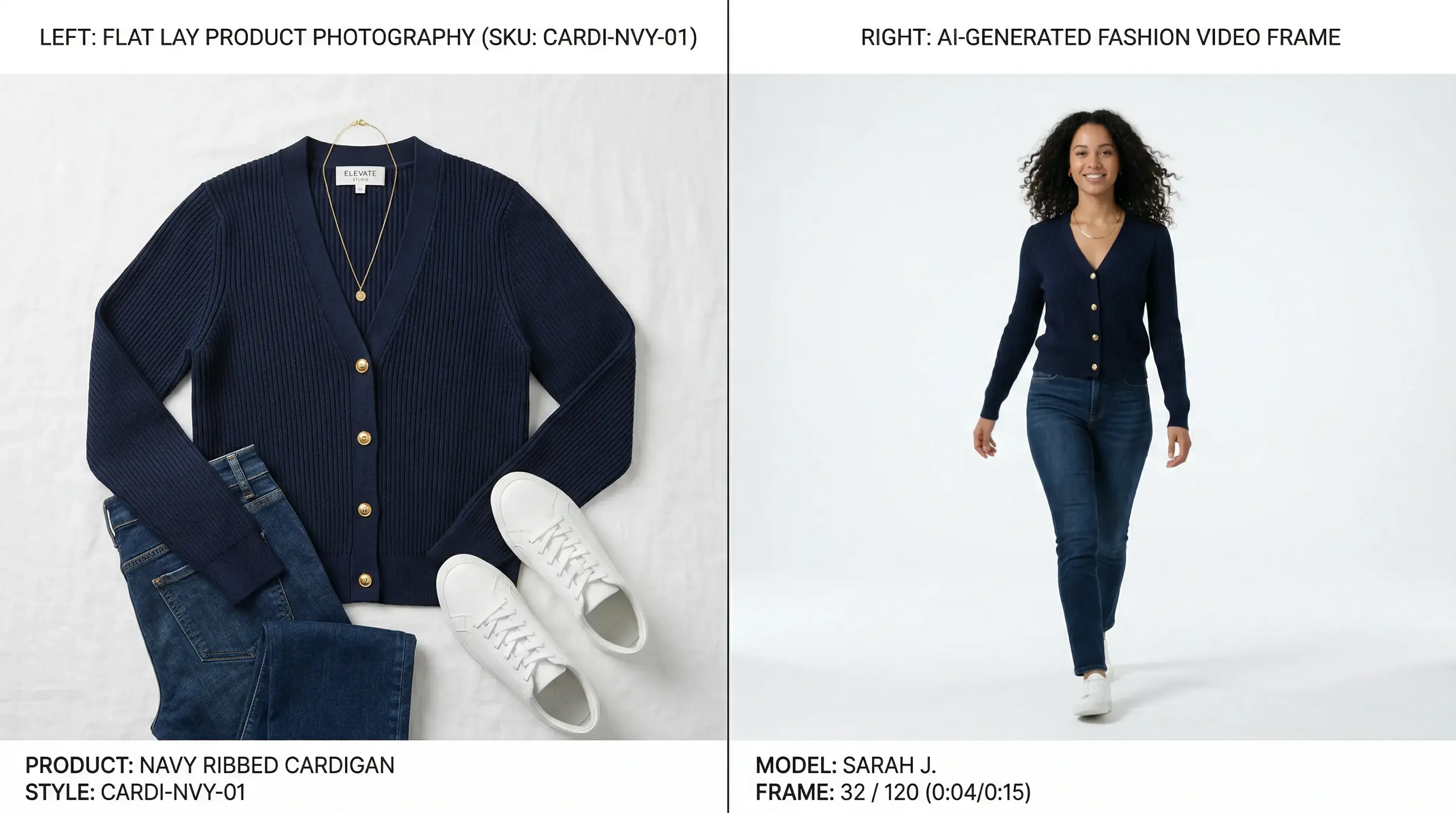
AI Clothing Video Generator: How to Create Fashion Videos Without a Studio
Learn how an AI clothing video generator lets fashion brands create scroll-stopping product videos in minutes — no studio, no crew, no budget blowout.
Read More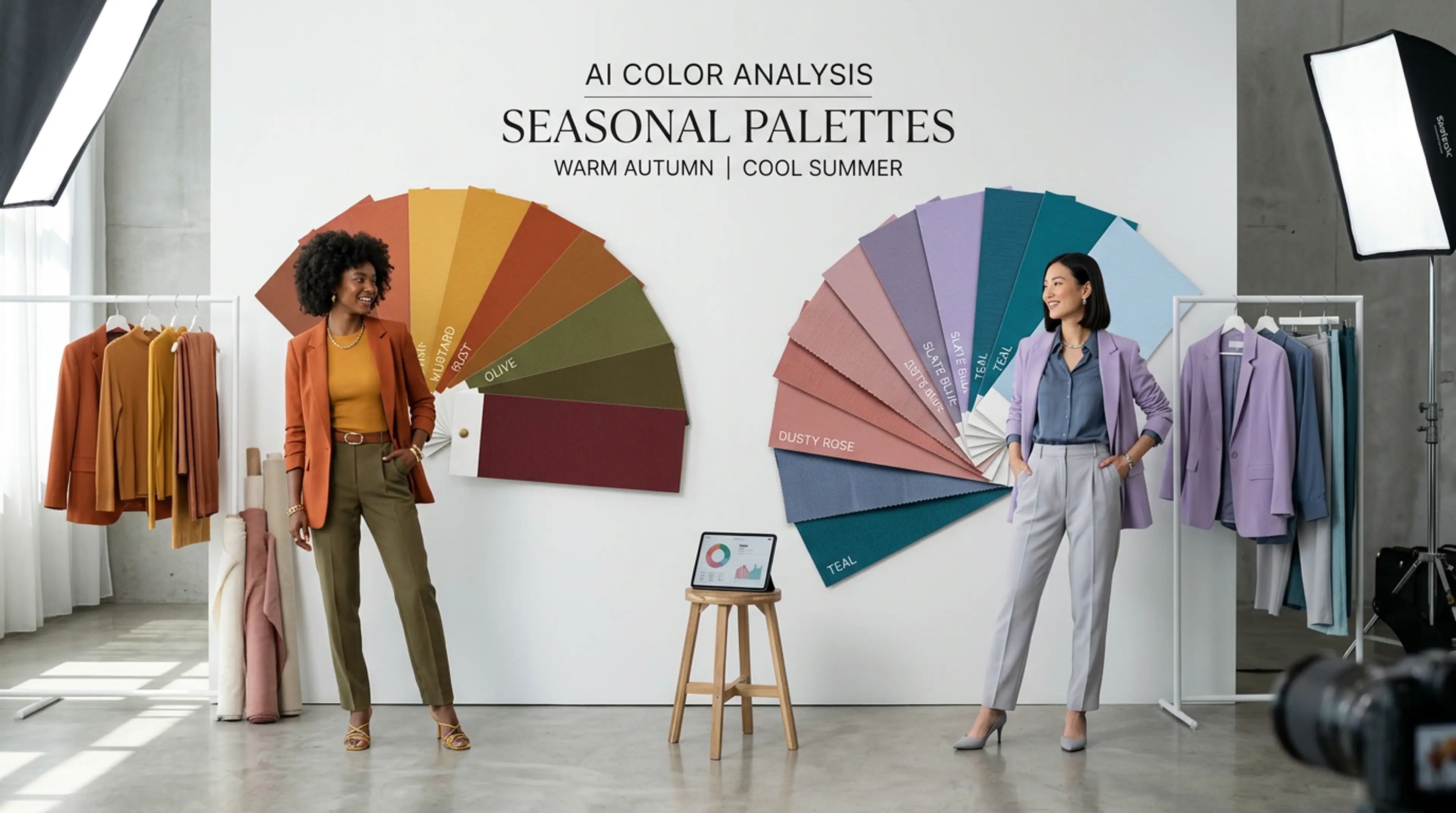
AI Color Analysis for Fashion Brands: Find Your Palette and Convert More Shoppers
Color drives purchase decisions in fashion more than any other factor. Learn how AI-powered color analysis helps brands find the right palettes, reduce returns, and lift conversion...
Read More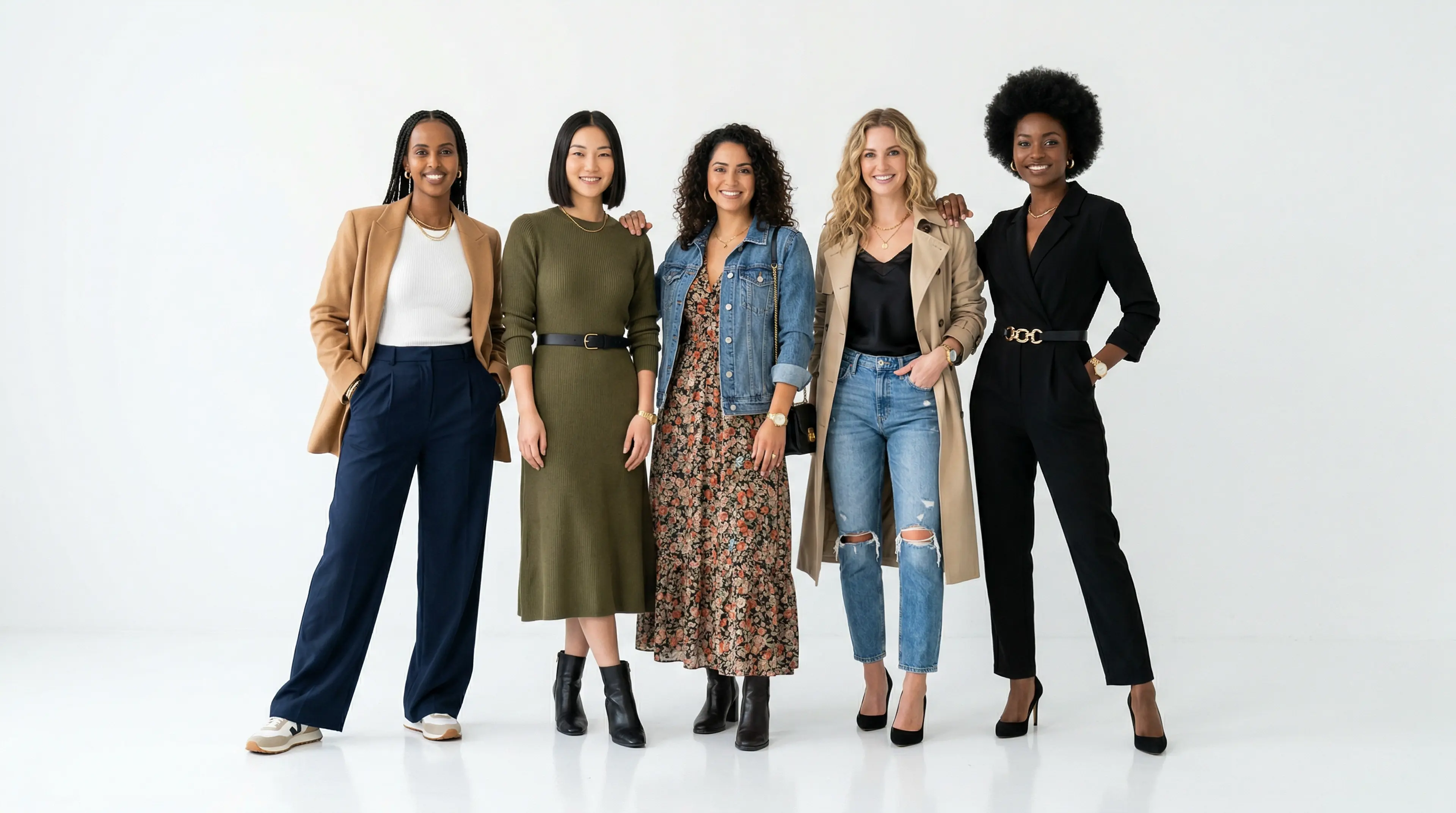
AI Fashion Models for eCommerce: The Complete Guide (2026)
Everything eCommerce brands need to know about AI fashion models — how they work, why they outperform ghost mannequins, and how to put your clothing line on a professional model in...
Read More