
Create Realistic AI Lingerie Models from Your Product Photos
huhu.ai Team
Why Lingerie Brands Struggle with Model Photography
For many ecommerce lingerie brands, product photography is one of the biggest bottlenecks. Finding real lingerie models, managing shoots, and maintaining brand consistency can be costly and time-consuming.
From studio rentals and model fees to lighting, styling, and editing — a single photoshoot can stretch budgets thin, especially for smaller brands or new collections.
Worse still, many current AI tools restrict users from generating realistic human models, especially in sensitive categories like lingerie or swimwear. That leaves brands stuck with flat-lay images or mannequin shots that simply don’t convert.
But now, there’s a smarter, faster, and more affordable alternative: AI lingerie models.
What Are AI Lingerie Models?
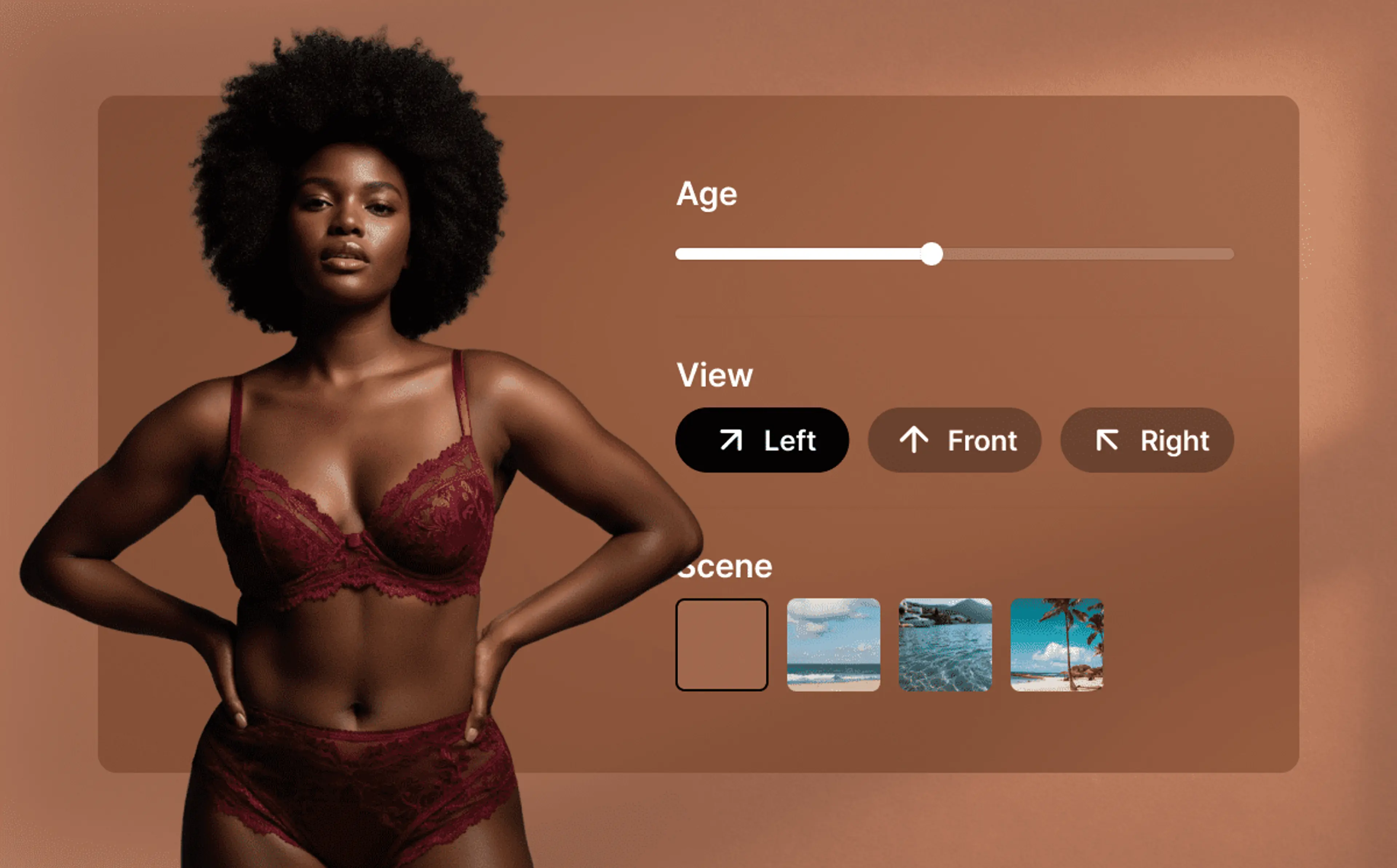
AI lingerie models are lifelike, computer-generated human models designed specifically for lingerie and intimate apparel visuals. Using advanced AI model generation technology, brands can now upload their lingerie product images and instantly create on-model visuals — complete with realistic lighting, body proportions, and poses that mirror a professional photoshoot.
Unlike generic AI art tools that limit or distort human figures, our AI lingerie generator is built for ecommerce use cases, ensuring that outputs are realistic, brand-safe, and high-quality.
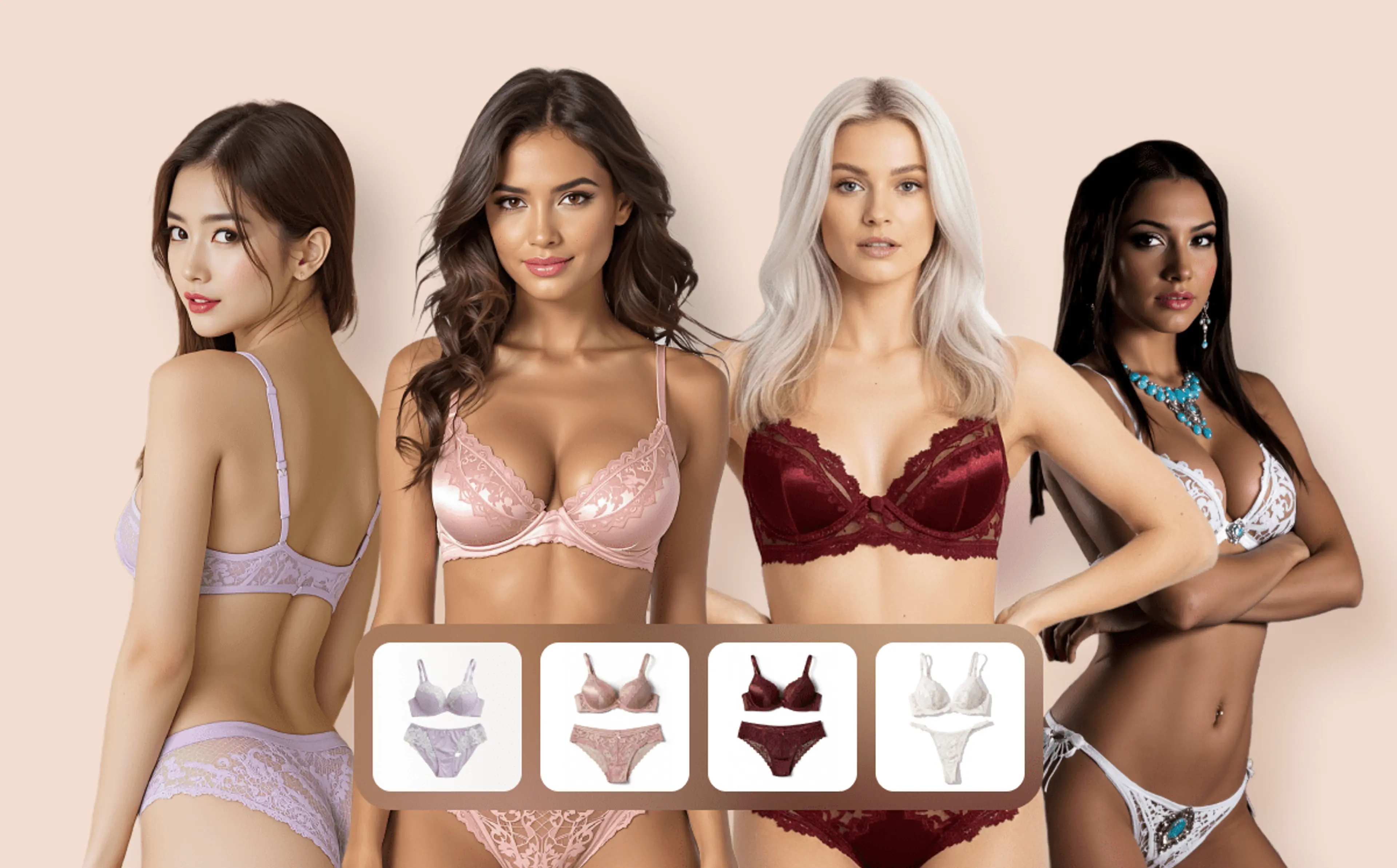
Why AI Lingerie Models Are Game-Changers for Ecommerce
1. Cut Production Costs
Forget hiring photographers, models, and renting studios. With AI lingerie models, you can create high-quality visuals at a fraction of the traditional cost.
2. Launch Products Faster
Need visuals for a new collection or campaign? Generate hundreds of model shots in minutes — no waiting for photo schedules or editing queues.
3. Full Creative Freedom
Customize every aspect of your visuals — from body type and skin tone to pose, background, and mood — all while maintaining brand aesthetics.
4. Consistent Brand Look
AI ensures uniform lighting, styling, and composition across all product images — crucial for building a professional, cohesive online store.
5. Diverse Representation
Showcase lingerie on models that reflect your customer base — from plus-size to petite — improving inclusivity and conversion rates.
How to Create AI Lingerie Models Step by Step
Creating realistic on-model lingerie visuals is simple — no design skills needed.
1. Upload your lingerie product image
Upload a flat-lay photo or modeled product image of your lingerie item.
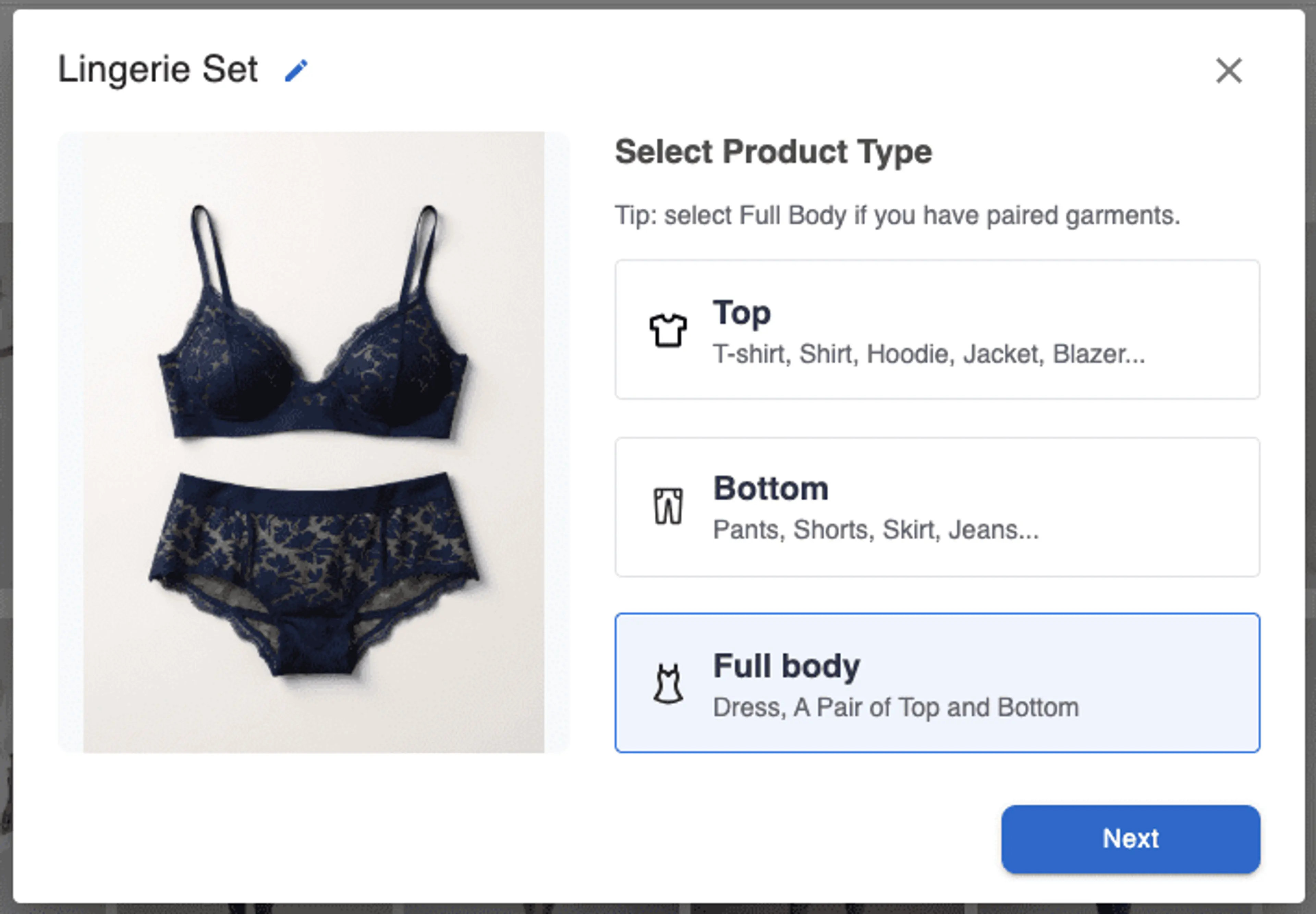
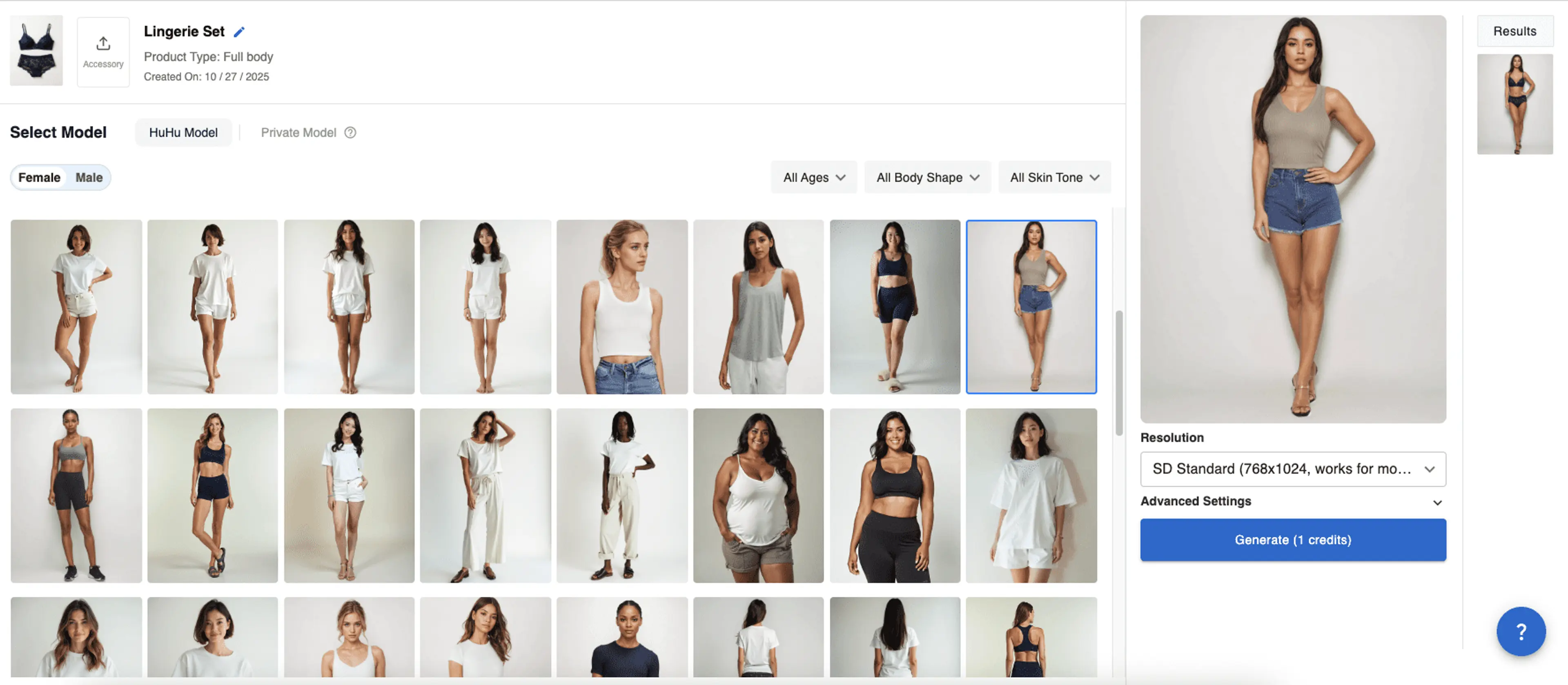
2. Choose your model
Select or customize an AI-generated model that fits your brand’s target look — adjust pose, skin tone, body shape, and background.
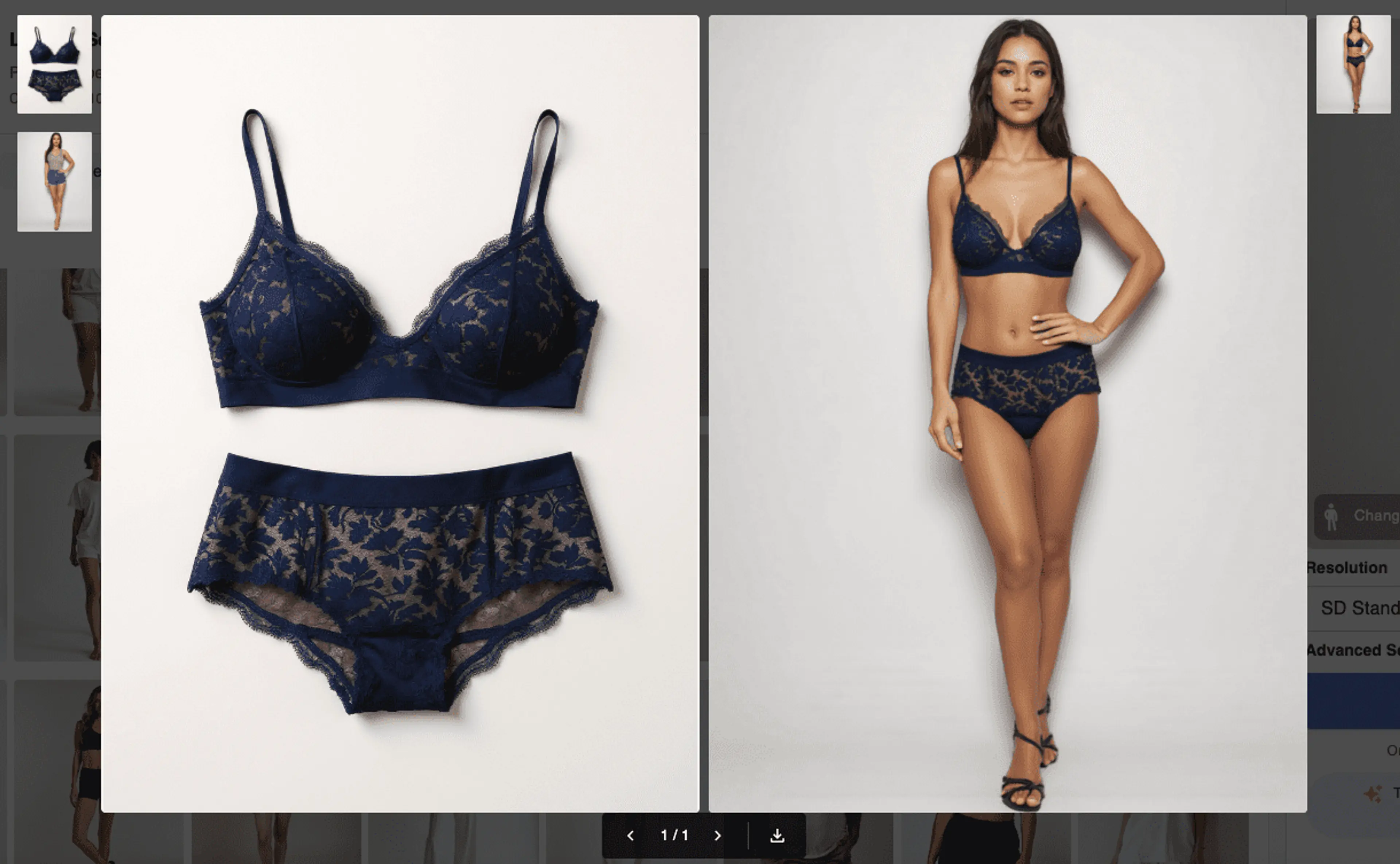
3. Generate on-model lingerie photos
In seconds, the AI will render realistic AI lingerie models wearing your designs.
4. Use across platforms
Download and use the images on your ecommerce store, social media, ads, or lookbooks.
You can learn more about the process in our guide on how to photoshoot models with products using AI tools.
How AI Is Transforming Fashion Visuals Globally
The rise of AI-generated models isn’t just a trend — it’s reshaping the global fashion industry. Brands of all sizes now rely on AI to speed up content creation, reduce costs, and expand visual diversity. As seen in our article on how AI-generated models are transforming global fashion brands’ visual production, AI allows brands to produce consistent, scalable visuals while keeping creative control. For lingerie and swimwear brands in particular, this shift means more agility and creativity without compromising professionalism.
The Connection Between AI Lingerie Models and AI Bikini Models
Both AI lingerie models and AI bikini models solve the same pain point — expensive and restrictive photoshoots. However, lingerie imagery demands extra realism, texture detail, and tastefulness to remain brand-appropriate. Our system ensures all generated visuals are realistic, modest, and high-quality, suitable for eCommerce use. You can explore the swimwear side of this technology in our related post: What are AI bikini models and how to generate them?
Try AI Lingerie Model Generator
Frequently Asked Questions
What exactly are “AI lingerie models” and how do they differ from traditional model photos?
AI lingerie models are computer-generated human figures created using generative AI, which can realistically wear lingerie designs and be placed in styled photo scenarios. Unlike traditional photoshoots, which require hiring models, studio time, styling, photography, and editing, AI models allow brands to generate on-model visuals from just product images. The result is scalability, faster turnaround, and potentially lower cost, while still delivering lifelike visuals.
Are there proven cost- or efficiency-savings when using AI-generated models for fashion or lingerie visuals?
Yes. Research shows that the broader fashion industry is rapidly adopting AI: the global AI in fashion market was estimated at USD 2.23 billion in 2024, and is projected to reach around USD 60.57 billion by 2034, growing at a CAGR of ~39%. An industry article noted that “AI-generated fashion shoots … offer cost savings for retailers” by reducing reliance on photographers, models, and logistics. For example, one retailer reported a ~90% cost reduction and 70% of editorial images generated via AI in one quarter. So for lingerie brands operating on tight budgets, AI lingerie models can deliver major value.
Will customers trust or convert from images powered by AI models rather than real models?
Emerging evidence suggests yes — consumer acceptance of AI-driven visual tools is increasing. For example, a survey found that 52% of shoppers said they were likely to use generative AI tools to assist with clothing purchases, and 71% said that virtual try-on (an AI use case) would boost their buying confidence. For lingerie ecommerce specifically, realistic on-model visuals help shoppers envision fit and style better than flat-lays or mannequin shots. By combining AI lingerie models with high-quality product imagery, brands can boost conversion and reduce returns.
Are there any risks or ethical considerations when using AI models for intimate apparel visuals?
Yes, several. Although AI model-generation unlocks efficiency and scale, brands must navigate these key issues: Representation & diversity — AI models must reflect body types, skin tones, and demographics of target customers. Some virtual-model initiatives aim to enhance diversity, but critics caution about “simulated diversity” without real inclusion. Brand and content appropriateness — Lingerie visuals require tasteful presentation, correct lighting, fabric texture depiction and modesty standards. Simply generating any “woman in lingerie” via generic AI may risk misalignment with brand identity or even legal/advertising standards. Model rights & image authenticity — Some AI systems generate models that resemble real persons or use training data without clear rights; brands must ensure model images are original, rights-cleared, and align with ethical standards. Consumer perception & authenticity — Some consumers may ask: “Is this real?” Transparency and maintaining high-quality, believable visuals helps avoid negative perception. Technical/infrastructure risks — As broader fashion industry research notes, the AI-fashion shift brings operational and governance risks. In short, when deploying AI lingerie models, brands should choose tools with strong ethical standards, customizable model controls (body shape, skin tone, pose, background), and rights-clear visuals.
Related Articles

AI-Generated Female Models Are Transforming Fashion E-Commerce
Learn about the advantages of using AI generated female models for efficient, customizable, and stunning fashion imagery.
Read More
Ultimate Guide to AI Human Model Generation for Ecommerce
Comprehensive guide to AI human model generation for ecommerce—precision controls, virtual try-on, pose and video workflows.
Read MoreAI Lookbook: Tech That’s Transforming Fashion Content Creation
Fashion brands, retailers, and creators are increasingly turning to AI lookbooks to streamline content creation, and visual storytelling while meeting the growing demand for engagi...
Read More