
How AI Product Photography is Replacing Traditional Photoshoots in 2026
huhu.ai Team
The Shift Happening in AI Product Photography
In 2026, a fundamental transformation is reshaping how ecommerce brands create product imagery. AI product photography has moved from experimental curiosity to production-ready infrastructure, and the numbers tell the story: brands using AI-generated visuals are publishing content 10–50x faster while cutting per-image costs by over 95%.
This isn't about replacing creativity — it's about removing the bottleneck between having a product and showing it to customers. Traditional photoshoots remain valuable for specific use cases, but for the vast majority of ecommerce product photography, AI has become the practical choice.
In this guide, we'll break down the real economics, capabilities, and limitations of AI fashion photography in 2026 — with data, workflow comparisons, and an honest assessment of where each approach wins.
The Cost Problem with Traditional Product Photography
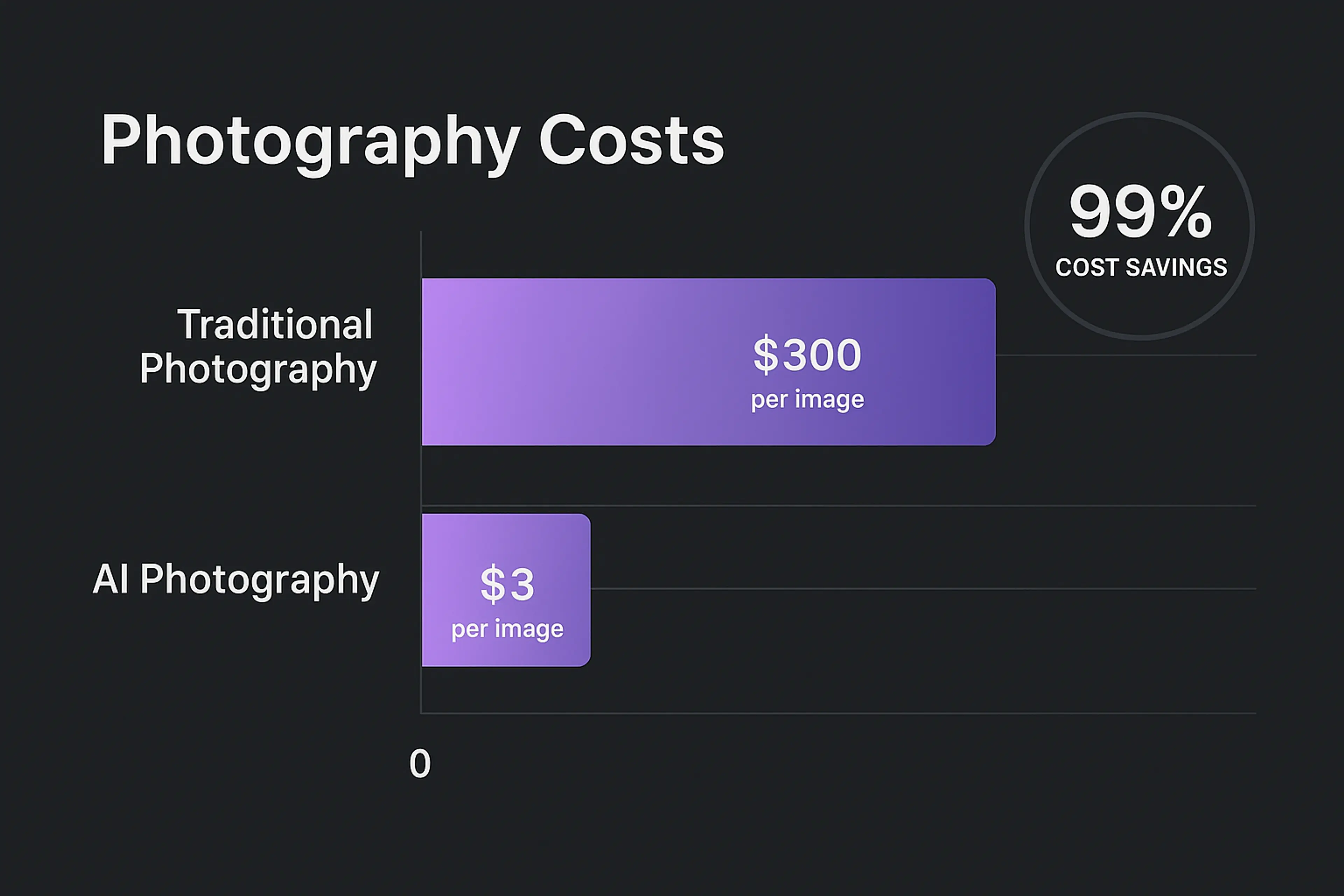
Traditional ecommerce product photography is expensive. A single on-model product photo typically costs between $200 and $500 when you factor in model fees, studio rental, photographer, stylist, and post-production editing. For a brand with 500 SKUs needing 4–6 images each, that's $400,000 to $1.5 million per season — before reshoots.
Here's how the costs break down for a typical studio photoshoot:
- Model booking: $150–$500/hour (minimum 2–4 hour commitment)
- Studio rental: $200–$800/day depending on market
- Photographer: $300–$1,000/day
- Stylist and hair/makeup: $200–$600/day
- Post-production editing: $15–$50 per image
- Sample shipping and logistics: $500–$2,000 per shoot
With AI product photography, the per-image cost drops to $0.10–$2.00 depending on volume and complexity. That's not a marginal improvement — it's an order-of-magnitude reduction that fundamentally changes what's economically viable. Brands can now afford to create on-model imagery for every SKU, every colorway, every target demographic.
Speed: From Weeks to Seconds
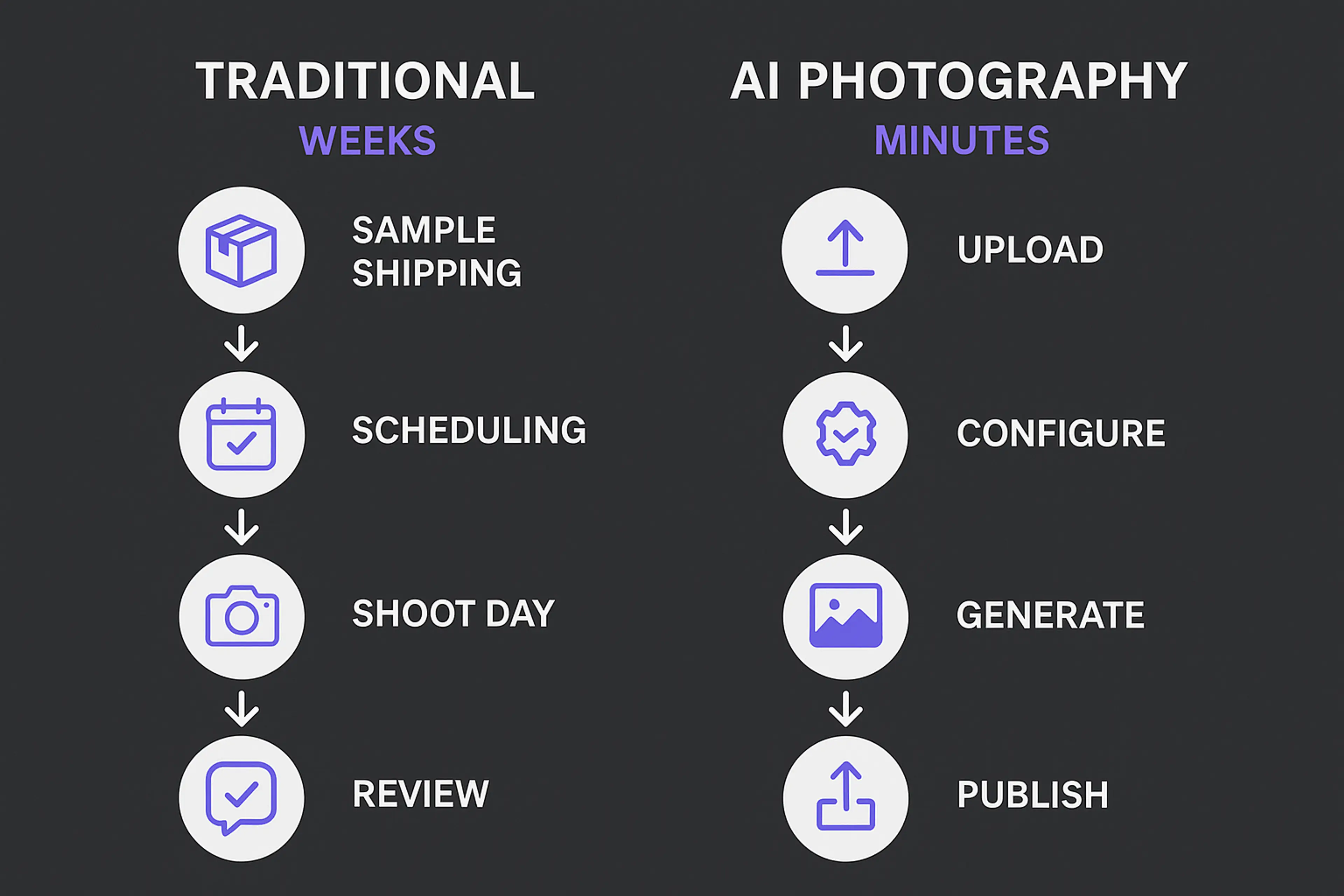
The traditional product photography workflow involves multiple handoffs, each introducing delays:
- Sample production and shipping: 2–4 weeks
- Scheduling models, studio, photographer: 1–2 weeks
- Shoot day: 30–80 images per day with a skilled team
- Post-production editing and retouching: 3–7 business days
- Review, revisions, and approval: 2–5 business days
Total: 4–8 weeks from product sample to published imagery.
With AI product photography, the workflow compresses dramatically:
- Upload flat lay, mannequin, or product photos: 1 minute
- Select model attributes and pose: 1 minute
- AI generation: 20–30 seconds per image
- Review and download: immediate
Total: Under 5 minutes per SKU. Brands can shoot a flat lay of a new arrival in the morning and have on-model imagery live on their product page by afternoon.
Key AI Photography Capabilities in 2026
AI fashion photography has matured beyond simple background removal. Here are the core capabilities driving adoption in ecommerce:
Virtual Try-On
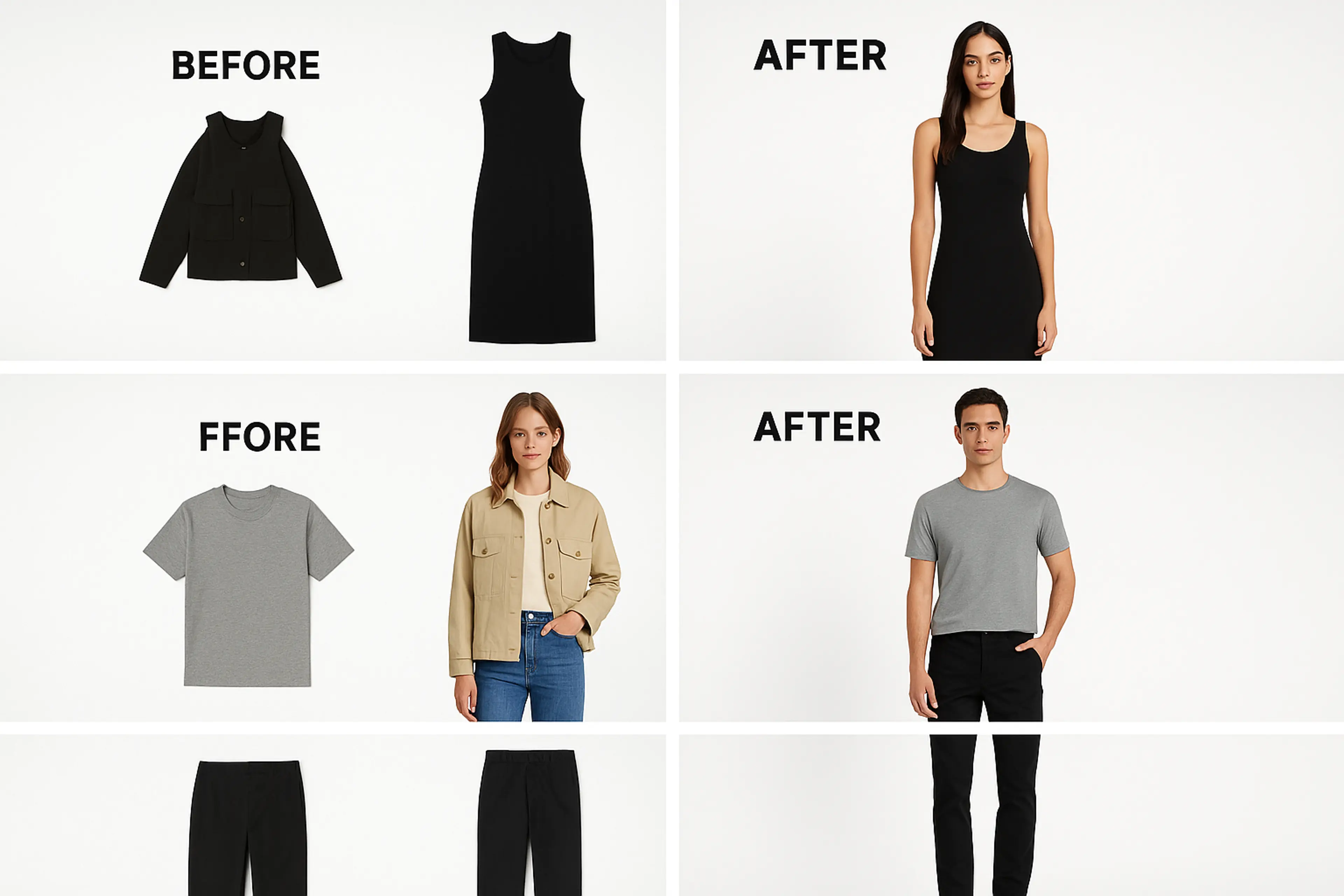
The foundation of AI product photography. Virtual try-on technology places your garments on AI-generated or reference models, showing realistic fit, drape, and styling. It works with flat lay photos, mannequin shots, or existing on-model images.
Flat Lay to Model Conversion
One of the fastest-growing use cases. Flat lay to model AI converts product flat lay photographs into on-model imagery — no model booking, no studio time. The AI understands garment structure and generates realistic wearing scenarios from a single overhead photo.
Ghost Mannequin Effect
For brands that need the clean, 3D product look. AI ghost mannequin creates the invisible mannequin effect from flat lay or basic product photos, showing garment shape and interior details without a visible form.
AI Background Generation
AI background changer tools remove and replace backgrounds instantly. Place products in lifestyle scenes, seasonal settings, or clean white backgrounds for marketplace compliance — all from a single source image.
Face Swap and Model Diversity
Create diverse representation across your catalog with AI face swap. Generate the same outfit on models of different ethnicities, ages, and body types to connect with broader audiences.
Real-World Results: How Leading Brands Use AI Photography
The shift from traditional to AI product photography isn't theoretical. Major retailers are already operating at scale:
Shein — one of the world's largest fast-fashion retailers — uses AI-generated model imagery to keep pace with their rapid product launch cycle. With thousands of new styles weekly, traditional photography simply can't match the speed requirements. AI allows them to publish on-model content for every SKU at launch.
Saks Fifth Avenue has integrated AI photography into their premium product content workflow, demonstrating that AI visuals meet the quality bar even for luxury retail. The technology helps them maintain visual consistency across their extensive catalog while reducing time-to-publish.
Across the industry, brands report consistent improvements: 30–60% reduction in time-to-publish, 5–15% improvement in product page conversion rates from richer imagery, and 80–95% reduction in per-image production costs.
When Traditional Photography Still Wins
AI product photography isn't a universal replacement. There are genuine scenarios where traditional photoshoots deliver something AI currently can't match:
- Luxury editorial campaigns: High-fashion editorials with specific artistic direction, creative lighting setups, and precise model interactions still benefit from human photographers and creative directors.
- Complex multi-model scenes: Group shots with intricate model interactions (e.g., two models adjusting each other's clothing) remain challenging for AI.
- Tactile marketing: When the goal is to convey the physical experience of a product — the weight of a cashmere sweater, the hand-feel of leather — traditional close-up photography with real materials has an edge.
- Brand flagship content: Hero campaign images that define a brand's seasonal identity often justify the investment in traditional creative production.
The practical approach in 2026 is hybrid: use AI for the 80–90% of product imagery that needs to be fast, consistent, and scalable. Reserve traditional photography for the 10–20% of content where artistic vision and physical presence matter most.
How to Get Started with AI Product Photography
Transitioning to AI product photography doesn't require replacing your entire workflow overnight. Here's a practical step-by-step approach:
Step 1: Audit Your Current Content Production
Calculate your current per-image cost, time-to-publish, and content gaps. Most brands discover they're under-serving 40–60% of their SKUs with limited or no on-model imagery.
Step 2: Start with Flat Lay Conversion
If you already have flat lay product photos (most brands do), flat lay to model conversion is the fastest entry point. Upload existing flat lay images and generate on-model content without any new photography.
Step 3: Set Up Your Model Library
Define 3–5 model personas that represent your target customers — varying body types, skin tones, ages, and styling. Save these as presets for consistent brand representation across your catalog.
Step 4: Run a Pilot Batch
Select 50–100 SKUs and generate AI on-model imagery. A/B test against your existing product photos to measure impact on click-through rate, time on page, and conversion.
Step 5: Scale to Full Catalog
Once you've validated results, use HuHu AI Studio to batch process your entire catalog. Teams can assign SKUs, review generated images, and publish directly to your ecommerce platform.
Frequently Asked Questions
How much does AI product photography cost compared to traditional?
AI product photography typically costs $0.10–$2.00 per image, compared to $200–$500 per image for traditional on-model photography. The exact savings depend on volume, complexity, and your current production costs, but most brands see a 90–99% reduction in per-image costs.
Is AI-generated product photography good enough for premium brands?
Yes. In 2026, AI-generated fashion photography has reached a quality level where it's indistinguishable from traditional studio photography for most ecommerce applications. Premium retailers like Saks Fifth Avenue use AI photography alongside traditional content. The key is using high-quality source images and proper model/scene configuration.
Can AI product photography handle all clothing types?
AI works well across most apparel categories: tops, bottoms, dresses, outerwear, swimwear, lingerie, and accessories. Performance is strongest with clearly structured garments. Very sheer fabrics, heavily layered outfits, and unusual construction may require extra attention or manual review.
Do I need special equipment to get started?
No special equipment is needed. A smartphone camera is sufficient for capturing flat lay photos. For best results, use good lighting (natural daylight works), a clean contrasting background, and ensure the garment is neatly arranged with all details visible.
Are AI-generated product images licensed for commercial use?
Yes. Images generated through platforms like HuHu AI are fully licensed for commercial use, including ecommerce product pages, social media ads, print catalogs, and marketing campaigns. The AI-generated models are copyright-free.
Related Articles
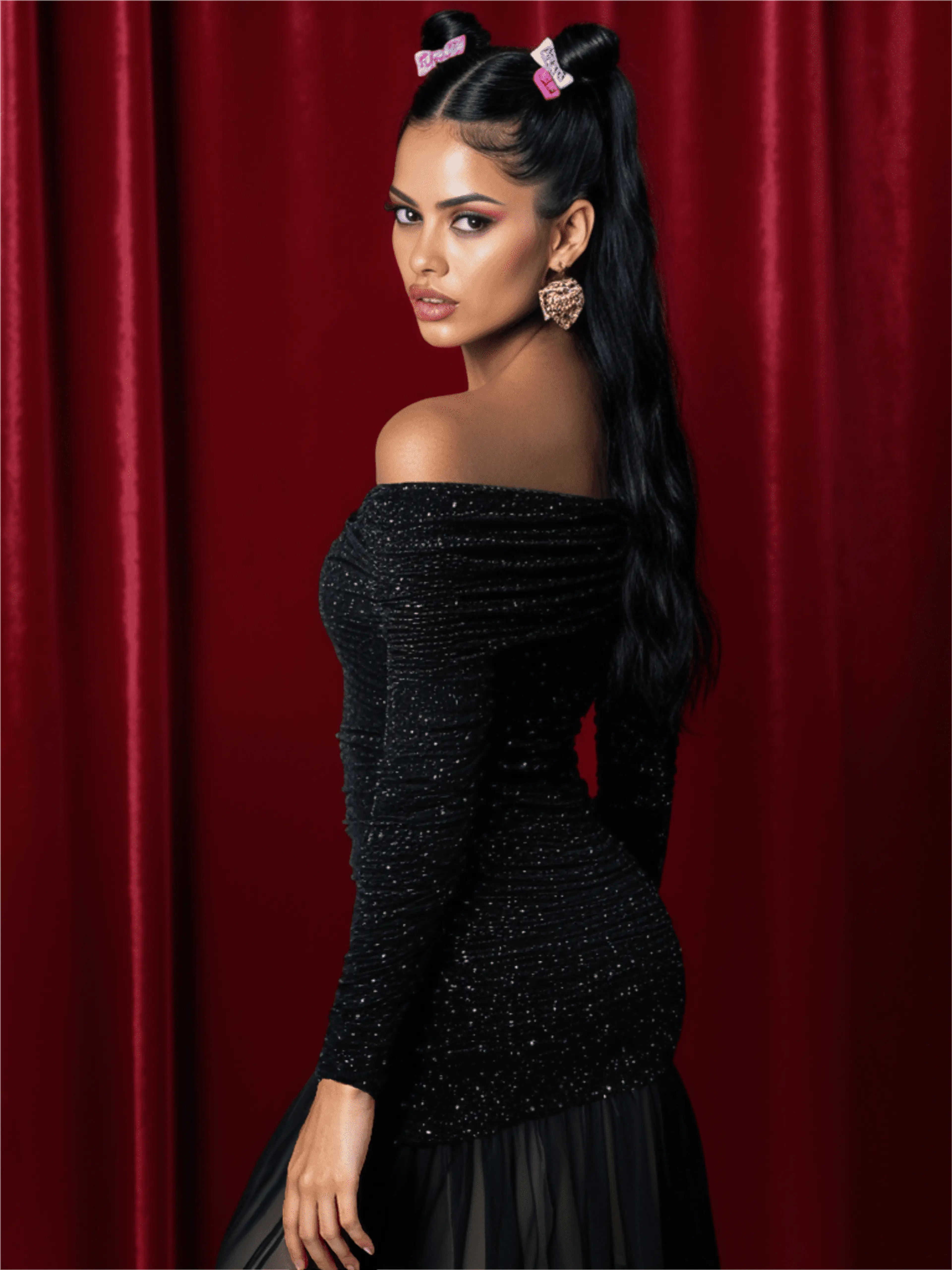
AI-Generated Female Models Are Transforming Fashion E-Commerce
Learn about the advantages of using AI generated female models for efficient, customizable, and stunning fashion imagery.
Read More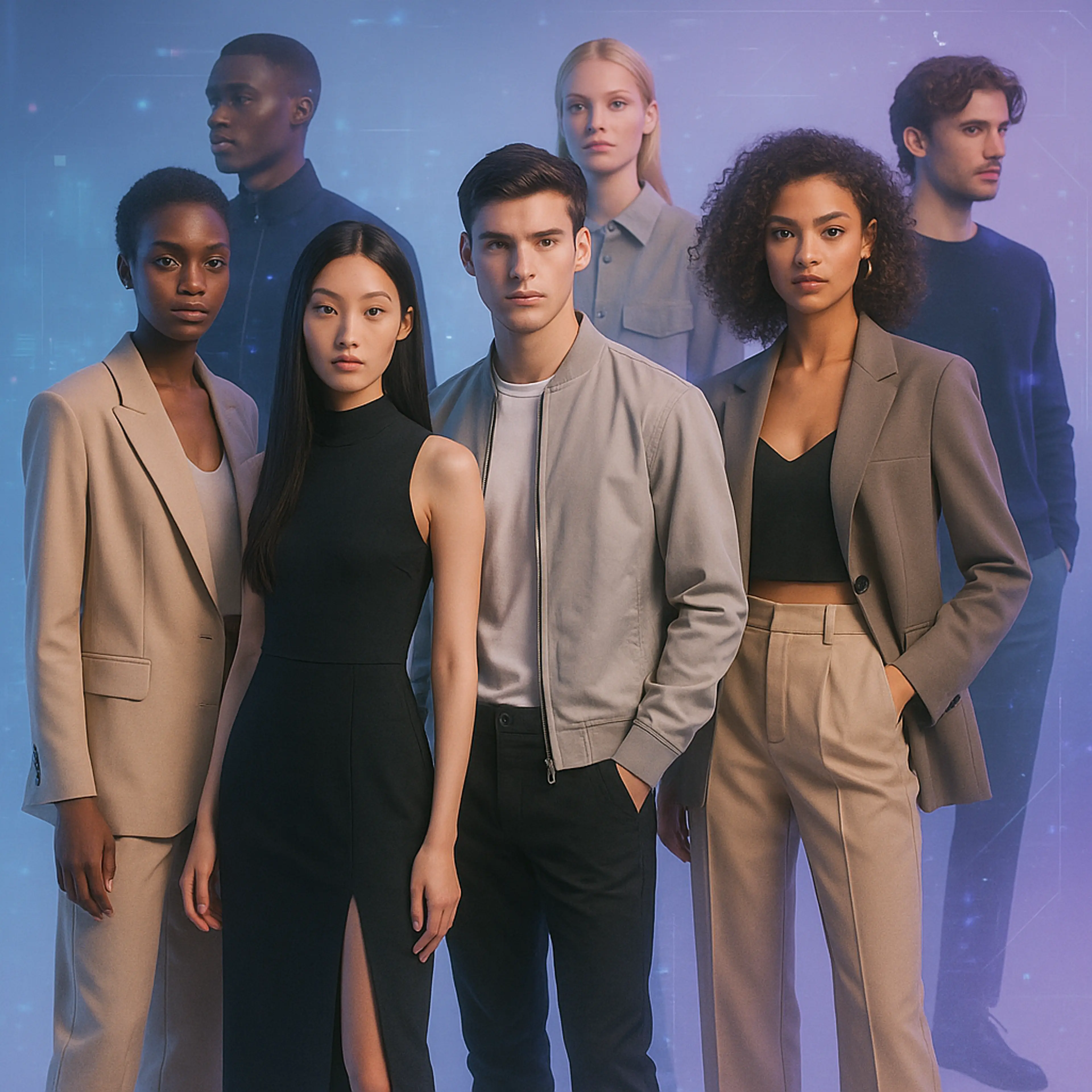
Ultimate Guide to AI Human Model Generation for Ecommerce
Comprehensive guide to AI human model generation for ecommerce—precision controls, virtual try-on, pose and video workflows.
Read More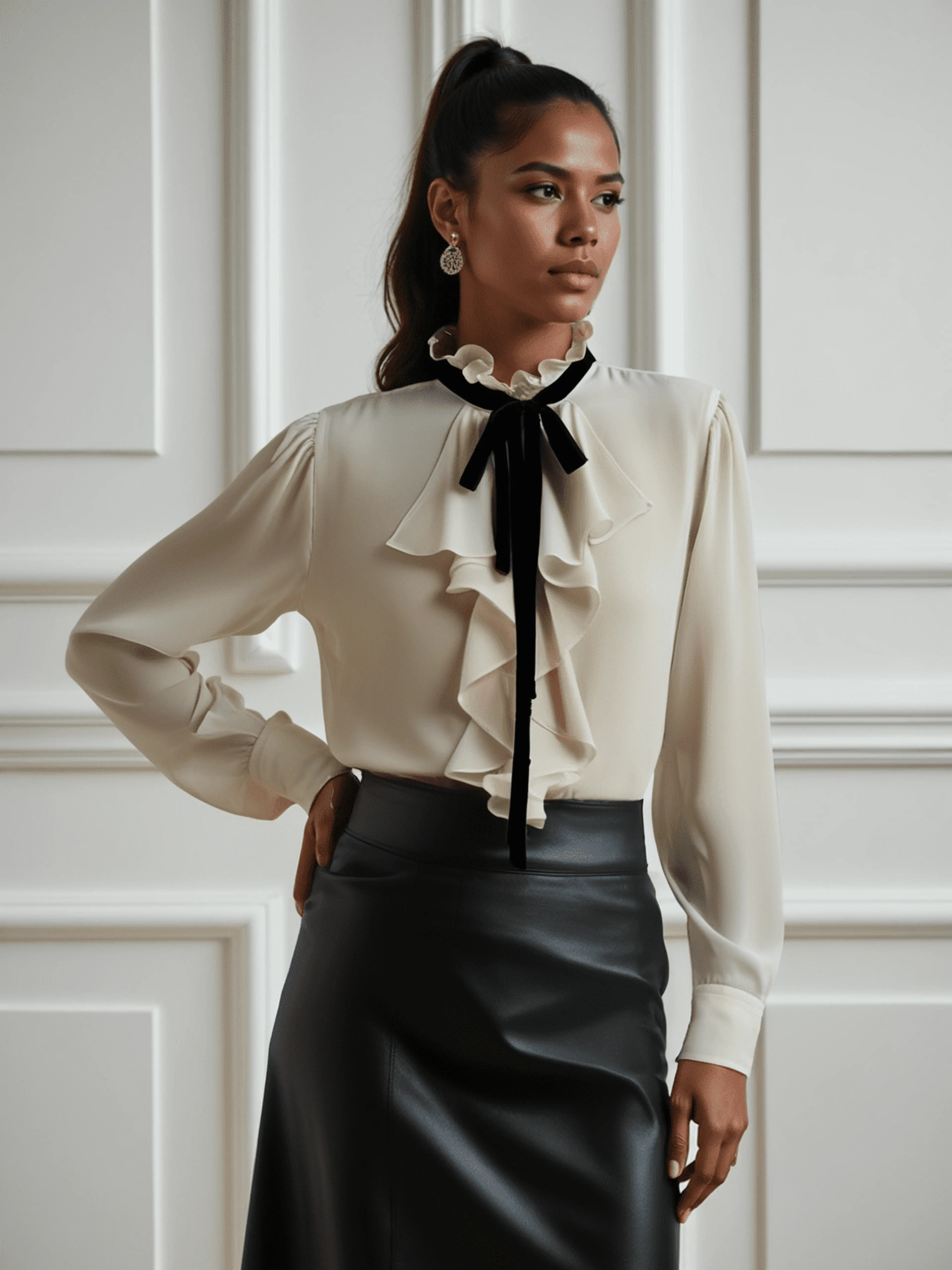
AI Lookbook: Tech That’s Transforming Fashion Content Creation
Fashion brands, retailers, and creators are increasingly turning to AI lookbooks to streamline content creation, and visual storytelling while meeting the growing demand for engagi...
Read More